How to Find Your Body Shape (and what to Wear for Each Type – Pear, Apple, Rectangle, Petite)
Not sure if you’re a pear or an apple? This guide breaks it all down and shows you exactly what to wear for your shape—made simple, stylish, and empowering.
RELATED ARTICLES
How to Identify Your Body Shape (Complete Guide + Style Tips)
Quick Answer (TL;DR)
To identify your body shape:
Observe Your Silhouette: Use a full-length mirror and wear fitted clothing. Focus on your shoulders, waist, and hips.
Take Key Measurements (Optional):
Bust: Around the fullest part
- Shoulders – measure around the highest point of your shoulders.
Waist: Narrowest part (above navel)
Hips: Widest part of your bottom
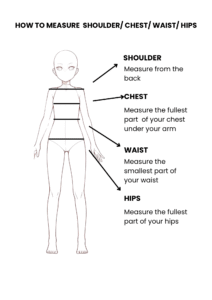
Compare Your Proportions:
| Body Shape | Key Characteristic |
|---|---|
| Rectangle | Shoulders ≈ Waist ≈ Hips |
| Hourglass | Shoulders ≈ Hips > Waist |
| Pear | Hips > Shoulders |
| Inverted Triangle | Shoulders > Hips |
| Apple | Waist > Hips & Bust |
| Petite | Under 160cm in height |
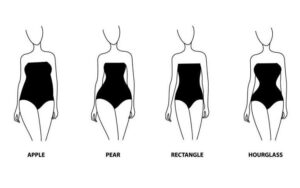
A. Take the Body Shape Quiz
Not sure what shape you are? Try our quick quiz — no tape measure needed!
[Start the Body Shape Quiz]
This quiz asks simple questions about your proportions and gives you a close match.


Time's up
B. Prefer a More Accurate Method?
Step 1: Take Your Measurements
Shoulders: Tip to tip, across the back
Bust: Fullest point around the chest
Waist: Narrowest point above your belly button
Hips: Around the widest part of your bottom
Tip: Stand straight, measure on bare skin or fitted clothing for best accuracy.
For detailed guidance, check measurement tips from the clothingpatterns101.
Step 2: Compare Your Proportions
| Body Shape | Ratio Description |
|---|---|
| Pear | Hips > Bust & Shoulders |
| Apple | Waist > Hips & Bust |
| Rectangle | Bust ≈ Waist ≈ Hips |
| Hourglass | Bust ≈ Hips > Waist |
| Inverted Triangle | Shoulders > Hips |
| Petite | Under 160 cm in height |
Body Shape Definitions (With Examples)
Apple Shape
Your midsection is the widest part of your body. You likely have slim legs, a fuller upper body, and little waist definition.
Celebrity example: Oprah Winfrey, Drew Barrymore.
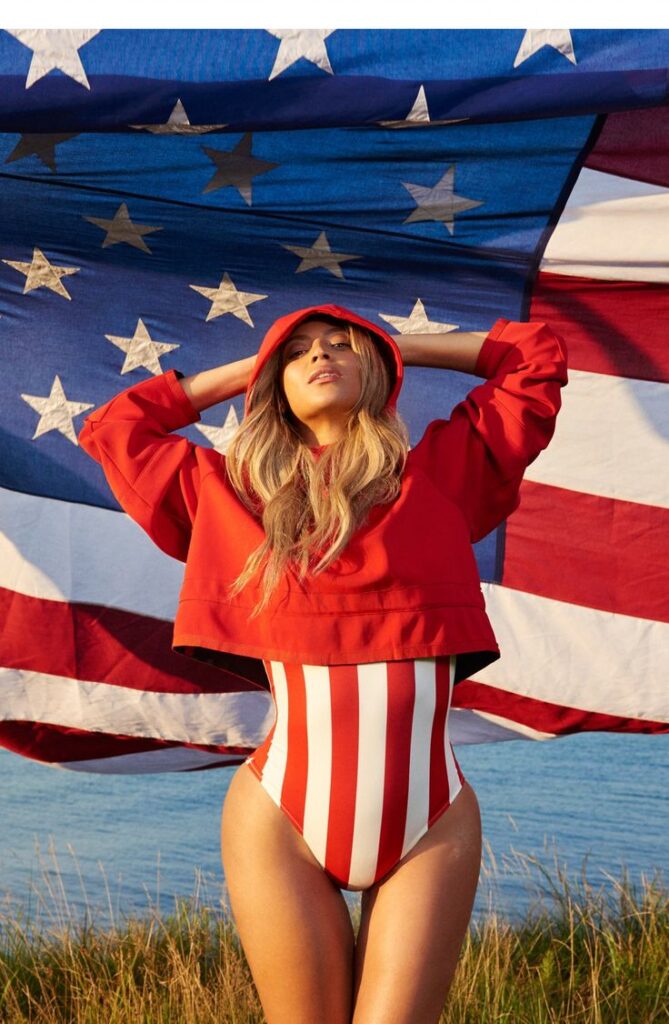
Pear Shape
Your hips are the widest part of your body. Your waist is well-defined, and your upper body appears smaller than your lower half.
Celebrity example: Jennifer Lopez, Beyoncé
Rectangle Shape
Your bust, waist, and hips are nearly the same width. You may lack obvious curves and have an athletic or straight figure.
Celebrity example: Cameron Diaz, Natalie Portman.
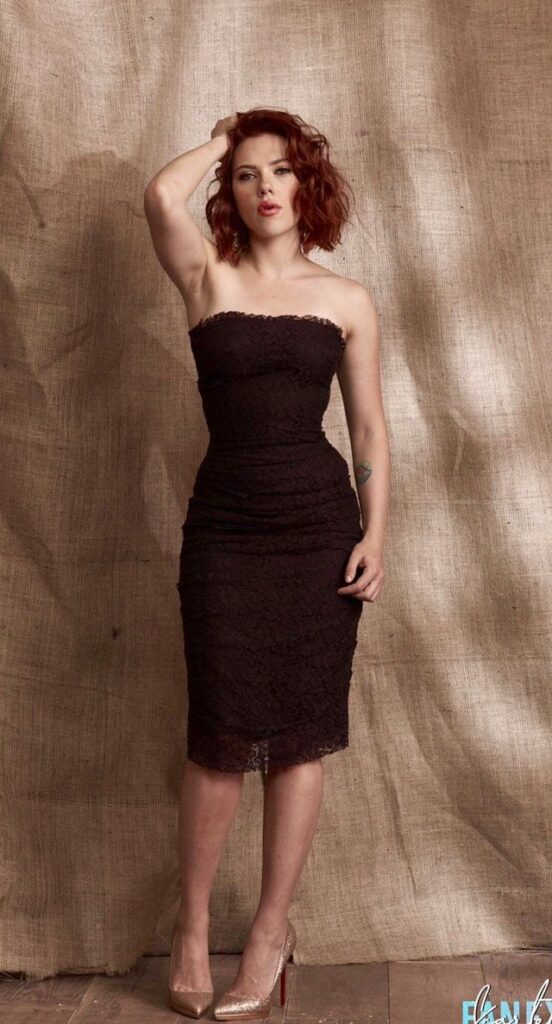
Hourglass Shape
You have a well-defined waist with bust and hips that are roughly equal in width. This shape looks balanced and curvy.
Celebrity example: Scarlett Johansson, Marilyn Monroe.
Inverted Triangle Shape
Your shoulders are noticeably broader than your hips. You may also have a larger bust and narrow hips.
Celebrity example: Angelina Jolie, Demi Moore.
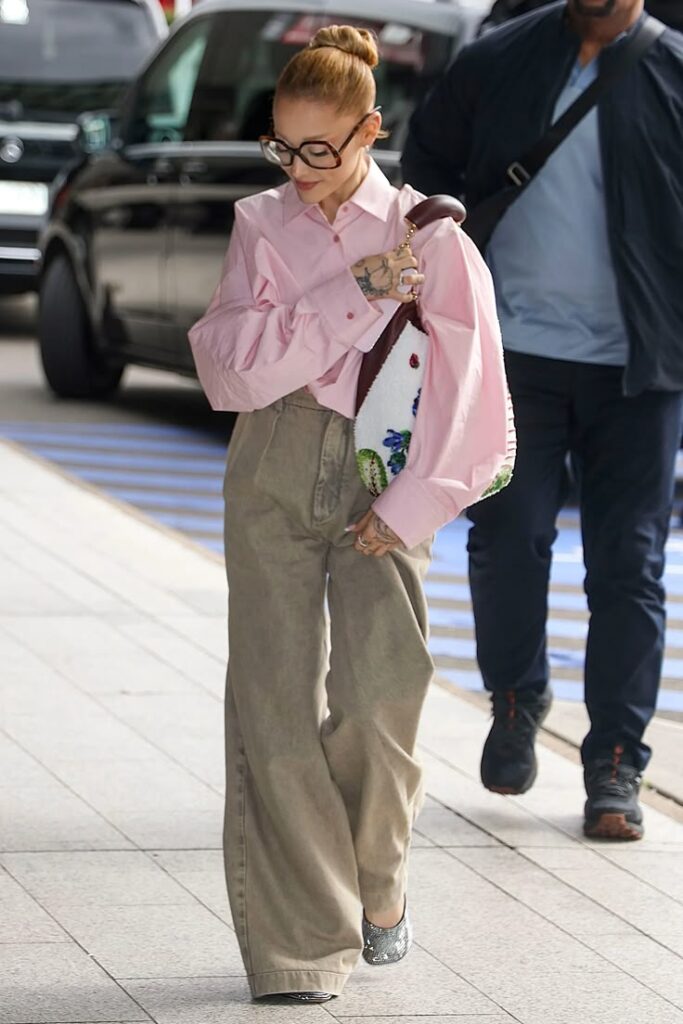
Petite
You are under 160 cm (5’3″) tall. Petites can belong to any shape category but have unique styling needs due to their smaller frame.
Celebrity example: Ariana Grande, Eva Longoria.
Why Knowing Your Shape Matters
Understanding your shape helps you:
Choose better-fitting clothes faster
Highlight your natural features
Avoid unflattering styles
Build a functional wardrobe that works for your body
Dress for occasions and trends more confidently
According to the Cleveland Clinic, identifying your body type can also help you understand how your body stores fat and maintain better health.
Remember: Body shape is about proportion, not weight or size.
What to Wear by Body Type
Pear Shape
Strength: Naturally slim and defined waist
Weakness: Larger hips and thighs
Style tip: Choosing the wrong pants or trousers can make the body look unbalanced or heavier than it is
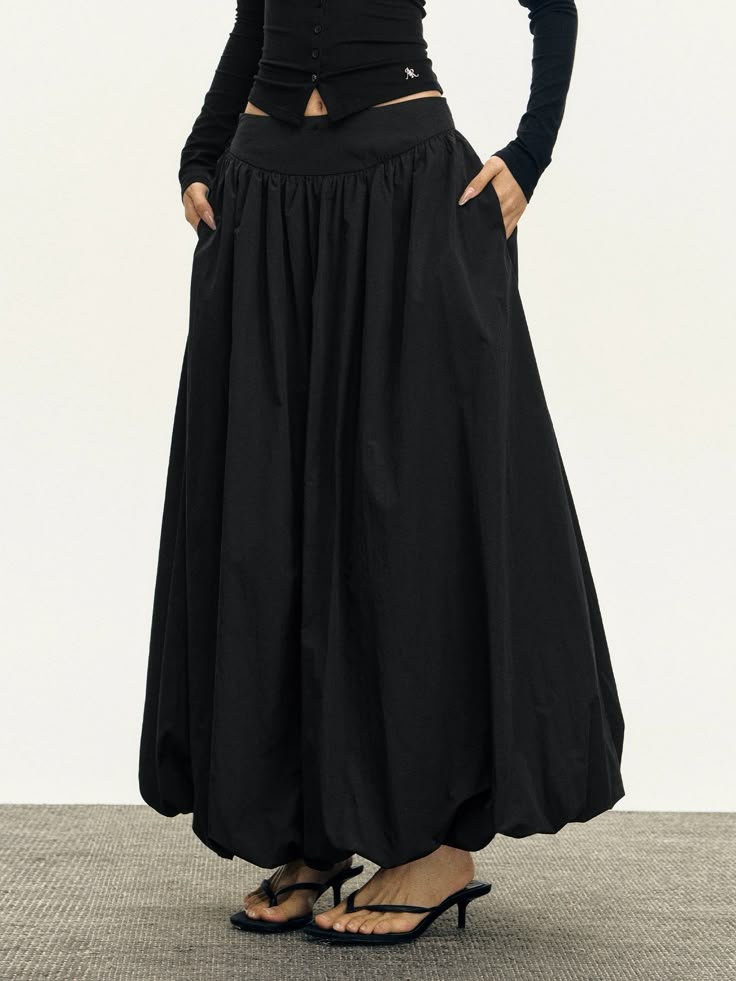
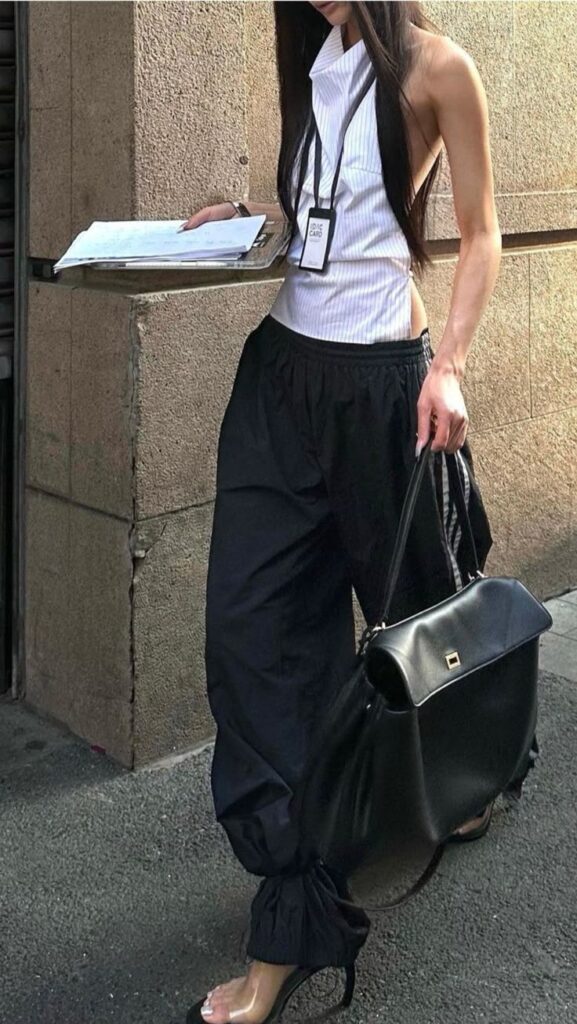
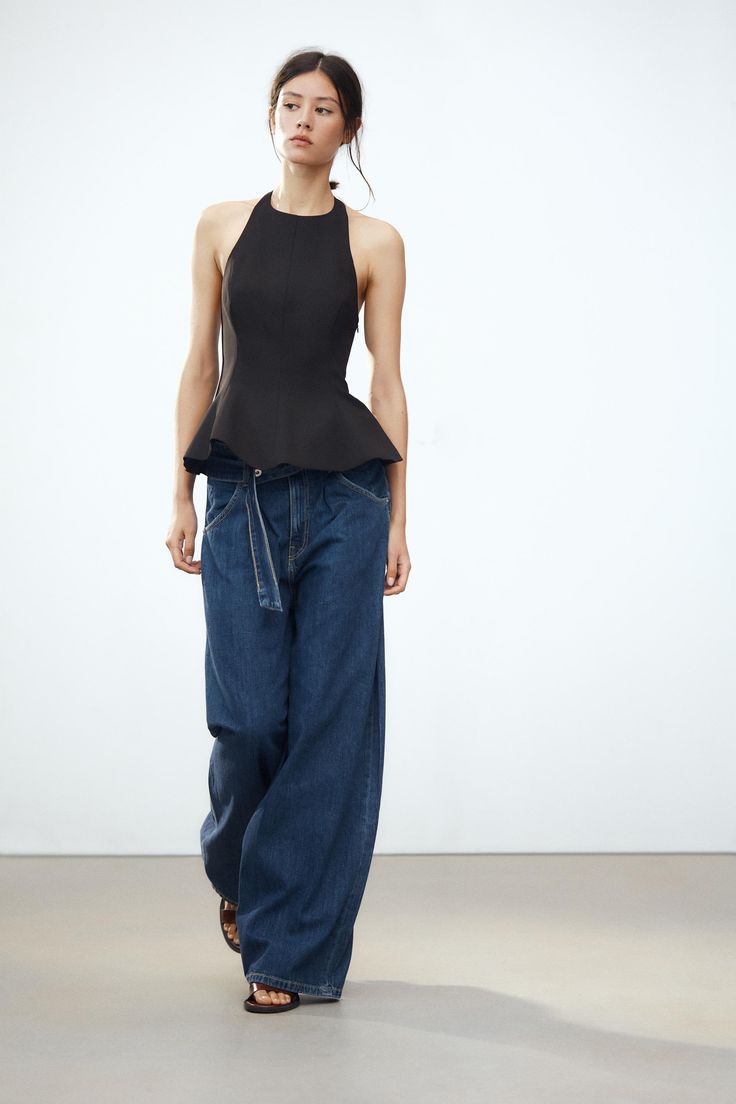
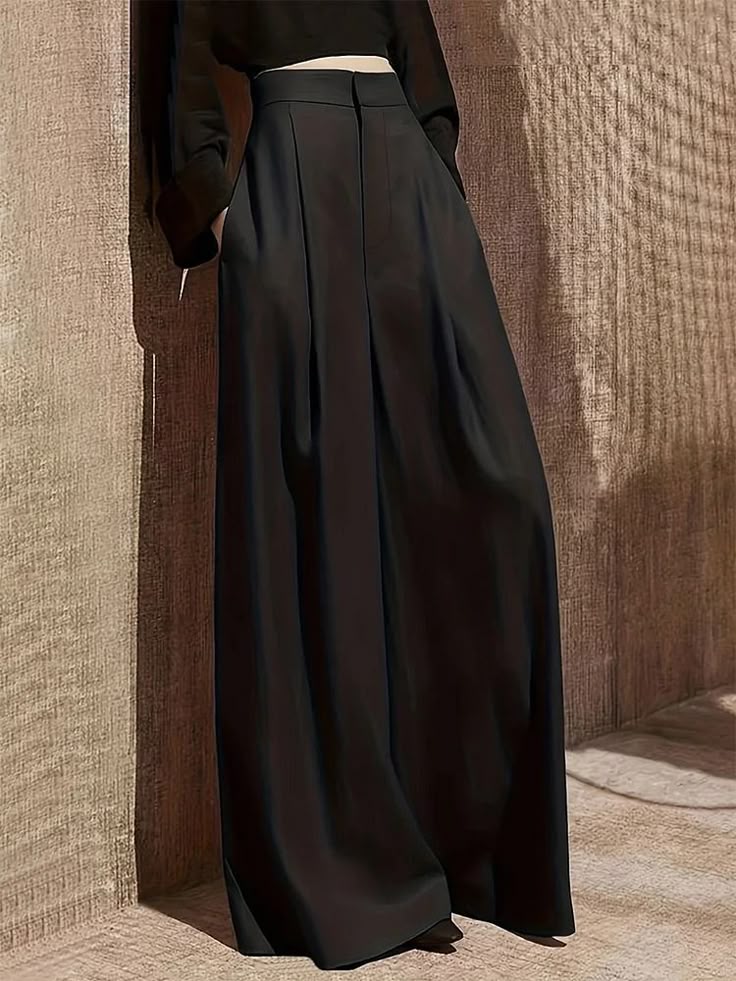
Recommendation: Opt for styles that balance the lower body, such as wide-leg or straight-leg pants in darker colors
- Accentuate shoulders with bold necklines or light colors
- A-line skirts and structured pants balance proportions
- Avoid skinny jeans that over-emphasize hips
Apple Shape
- Strength: Slender legs and often a fuller bust
- Weakness: Weight tends to concentrate around the midsection
- Style tip: Without waist definition, outfits can look boxy or bulky
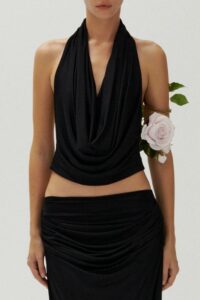
- Recommendation: Choose tops that create the illusion of a waist, like wrap tops, empire waistlines, or peplum styles
- V-necklines help elongate the torso and draw attention upward
- Structured jackets or layering pieces can shape the silhouette
- Avoid tight waistbands, clingy fabrics, or shapeless cuts that hide your curves
Rectangle Shape
Strength: Balanced proportions between shoulders, waist, and hips
Weakness: Minimal natural waist definition
Style tip: The figure can appear straight or boxy without added curves
Recommendation: Use belts or fitted styles to define the waistline
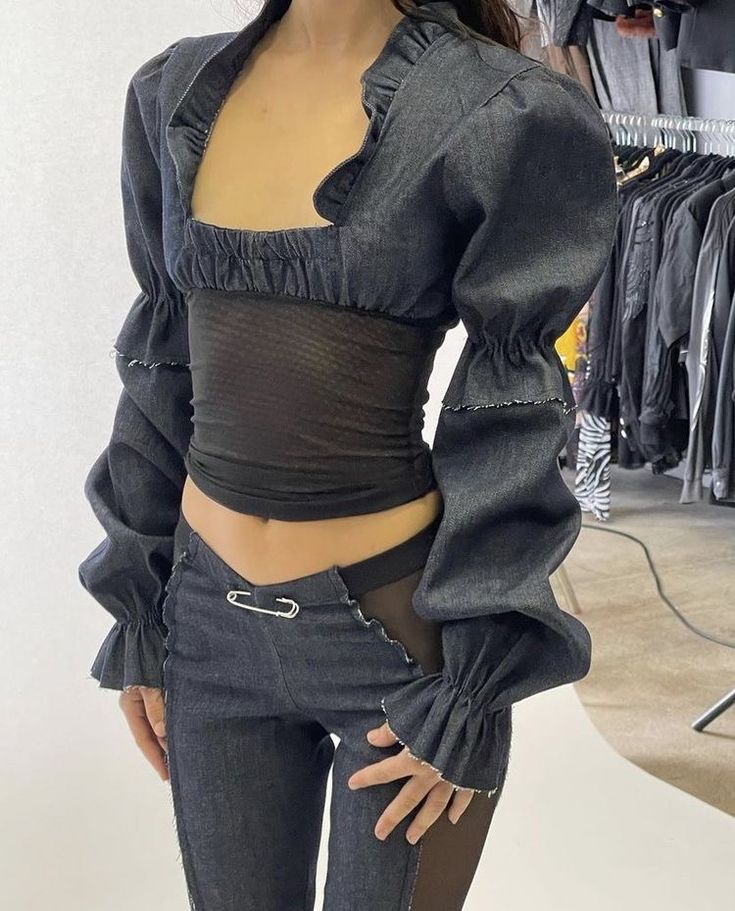
- Add volume with ruffles, layers, peplum tops, or shoulder details to create curves
- A-line skirts and high-waisted bottoms can enhance shape
- Avoid shapeless or boxy cuts that emphasize a flat silhouette
Inverted Triangle Shape
Strength: Broad shoulders and defined upper body
Weakness: Narrow hips can make the figure appear top-heavy
Style tip: The goal is to soften the upper body and add balance to the lower half
Recommendation: Soften the neckline with scoop or V-necks to draw attention downward
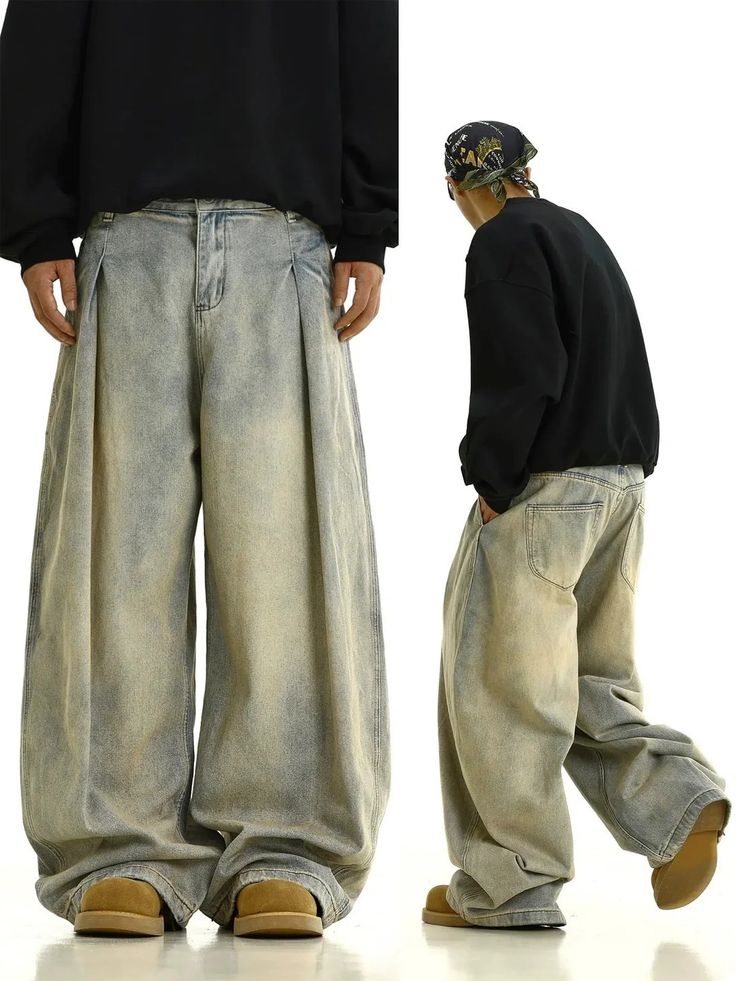
- Add volume to the lower body with pleated skirts, wide-leg pants, or patterns on the bottom
- Choose flowy or A-line silhouettes to create curves at the hips
- Avoid shoulder pads, bold shoulder details, or high necklines that emphasize width
Petite
Strength: Small frame that suits well-proportioned, tailored looks
Weakness: Can easily be overwhelmed by bulky or oversized clothing
Style tip: The key is to elongate the legs and avoid shortening the silhouette
Recommendation: Choose cropped or high-waisted styles to visually lengthen the legs
Stick to fitted cuts and streamlined silhouettes to maintain balance
Opt for pointed-toe shoes or low heels to add height without discomfort
Avoid long, bulky layers or oversized pieces that swallow your frame
Common Style Mistakes to Avoid
Picking trendy items over good fit
Ignoring balance and proportion
Hiding your body in oversized clothes
Wearing the same cuts for every shape
Believing your shape limits your fashion choices
Advanced Tips: If You Have Mixed Body Types
Many people don’t fit perfectly into one category. You might be:
Pear + Petite → Prioritize flattering hip line while elongating legs
Rectangle + Tall → Focus on breaking vertical lines and adding definition
Apple + Inverted Triangle → Balance broader top while shaping the waist
When you fall between types, borrow styling rules from both.
FAQs
Can I have more than one body type?
Yes! You can be petite and pear-shaped, or rectangle with an hourglass tendency. Style is fluid.
Is petite a size or shape?
Petite refers to height (under 160 cm), not a shape. You can be petite and have any proportions.
Can clothes change my body shape?
No, but they can visually enhance or downplay certain areas to shift perception.
How do I know if I’m Apple or Pear?
Look at where your body naturally carries volume — midsection vs. hips.
What if my body changes with age or pregnancy?
That’s completely normal. Re-evaluate your proportions every few years or after major life events. Your style should adapt with your shape.
Final Thoughts
Once you understand your shape, style becomes easier, more fun, and more flattering. Ready to dive deeper?
[Pear Shape Style Guide →]
[Apple Shape Style Guide →]
[Hourglass Style Guide →]
[Rectangle Shape Style Guide →]
[Inverted Triangle Shape Style Guide →]
[Petite Style Guide →]
For more styling tips, follow us on Instagram or subscribe to our newsletter.